
What Should You Automate First? A Step-by-Step Priority Matrix
How to identify high-frequency, low-variance administrative friction and deploy autonomous bots with fast ROI payback.

Attempting to automate everything at once creates organizational paralysis and costly shelfware. Utilize our tested 2x2 Priority Matrix to pinpoint high-frequency, low-exception workflows that yield immediate labor savings and error reduction.
1. The Automation Evaluation Matrix
Before allocating engineering capital to workflow automation, categorize candidate processes across two critical variables: transactional frequency and logical variance.
Workflows that occur hundreds of times weekly with predictable decision trees represent immediate low-risk automation targets with fast payback cycles.
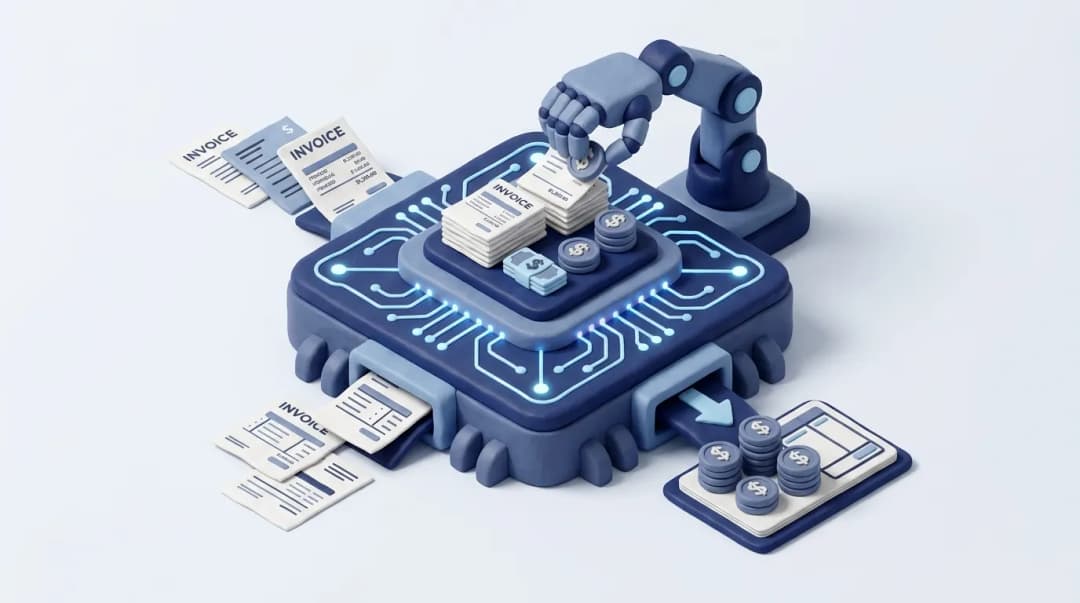
- Tier 1 (Instant Payback): Bank feed reconciliation, automated PDF invoice OCR, ASN notifications
- Tier 2 (Medium Complexity): Customer credit checks, multi-currency price synchronization
- Tier 3 (Human-in-the-Loop): Complex RMA dispute arbitration, custom enterprise contract pricing
2. Standardize Before You Automate
A fundamental rule of systems engineering: automating a broken, undocumented process merely accelerates error generation. Ensure your Standard Operating Procedures (SOPs) are rigorously defined before writing automation scripts.
Strategic Key Takeaways
Executive Action Checklist
Ready to implement these architectures in your enterprise?
Our senior practice leads provide tailored technical roadmaps and guaranteed implementation delivery.
AGT Automation Engineering Practice
RPA & Intelligent Automation Architects at Akshar Group Technologies. Specializing in enterprise architectural design, ERP migrations, and intelligent workflow automation.
Related Strategic Playbooks
Where AI Actually Saves Businesses Money
A pragmatic guide to deploying AI where it moves the commercial needle: automated document reconciliation, customer routing, and demand forecasting.
Traditional Workflow Automation vs AI-Powered Automation: When to Use Which
Demystifying rule-based RPA vs cognitive LLM workflows: how to choose the right engineering pattern for accuracy, cost, and operational leverage.
What's Holding Your Business Back?
Tell us where you want to go, what's getting in the way, and we'll help you figure out the technology to get there.